
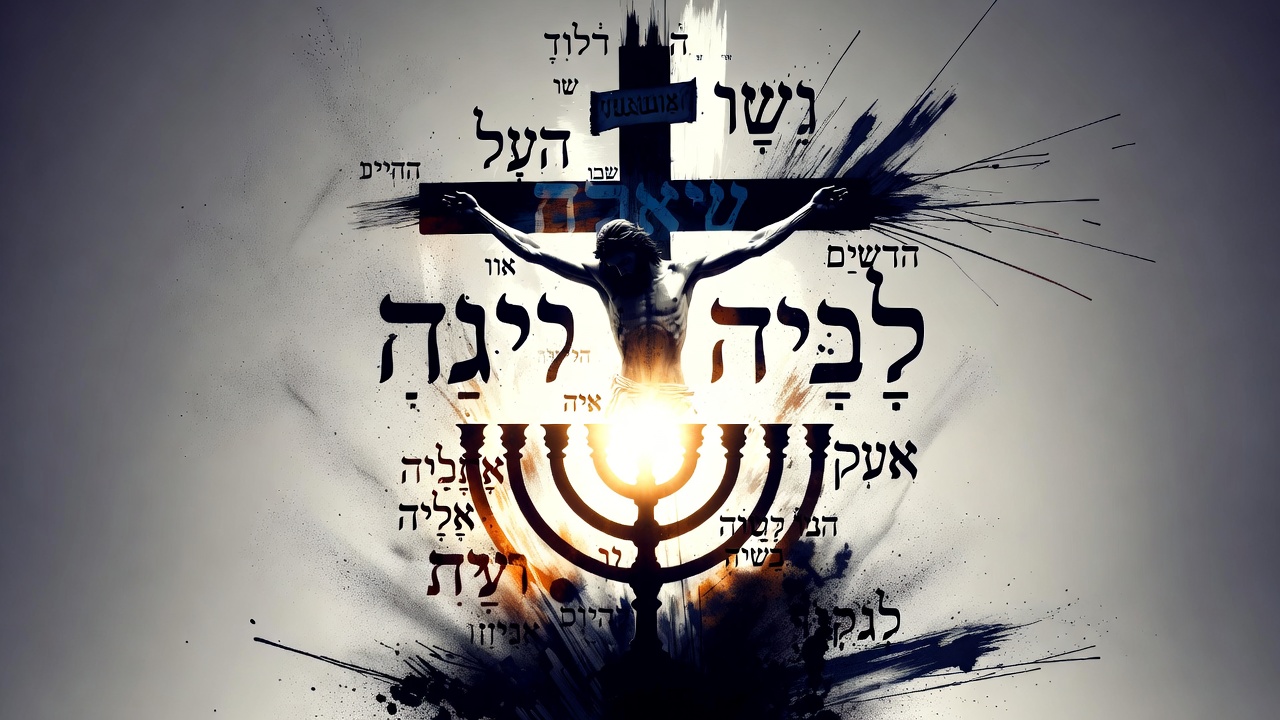
Following the breathtaking resurrection of Lazarus, which unfolded in the village of Bethany just three kilometers east of Jerusalem on the slopes of the Mount of Olives, the news raced through the crowds of Jewish mourners who had come to console Mary and Martha according to ancient Jewish custom of communal mourning. Many who stood there and saw Jesus call a dead man back to life responded with genuine faith, entrusting themselves to Him as the long-awaited Messiah. Yet the same miracle exposed the hardness of other hearts, prompting some to rush back to Jerusalem and alert the religious leaders. This pivotal moment ignited a chain of events that would lead straight to the cross, showing how one divine act of life can simultaneously awaken belief and stir deadly opposition.
In the emergency gathering of the Sanhedrin, fear of Roman reprisal overshadowed truth, but God sovereignly used even the scheming words of the high priest Caiaphas to proclaim the glorious heart of redemption. What the leaders plotted in darkness, the Lord turned into a crystal-clear declaration that one man would die so the nation—and far more—could live. The Apostle John pulls back the curtain to reveal divine inspiration at work, pointing us to the substitutionary death of Jesus and the beautiful gathering of every scattered child of God into one family. Here we glimpse the breathtaking sovereignty of our God: no conspiracy of man can thwart His plan to save His people through the willing sacrifice of His Son.
Podcast Episode


Video Summary
Commentary
John 11:45
“Many of the Jews therefore, who had come with Mary and had seen what he did, believed in him,”
Many of the Jews who had traveled the short distance from Jerusalem to join Mary in her grief witnessed the undeniable power of Jesus and responded with life-changing faith. The Greek word behind “believed” is pisteuō, which carries the rich meaning of personal trust and wholehearted commitment rather than mere agreement with facts. This miracle was not just an impressive event; it was a sign pointing straight to Jesus’ identity as the resurrection and the life. Their belief fulfilled the very purpose John states for recording these signs—that we might trust in Christ and have life in His name. What a tender reminder that when we see Jesus at work, the natural response of a heart touched by grace is to entrust everything to Him.
John 11:46
“but some of them went to the Pharisees and told them what Jesus had done.”
While many believed, others chose a different path and hurried back to the religious authorities with a report of the miracle. This division right at the scene of resurrection shows how the same light that draws some hearts to Jesus can harden others who refuse to bow. In the Jewish context of the day, such reports to the leaders were common when anything threatened the established religious order. Instead of celebrating the gift of life restored, these individuals became instruments in the growing opposition. Yet even this betrayal fits into God’s larger story, reminding us that not everyone who sees the works of Christ will embrace Him—some will run to oppose what they cannot control.
John 11:47
“So the chief priests and the Pharisees gathered the council and said, ‘What are we to do? For this man performs many signs.’”
The chief priests and Pharisees called an urgent meeting of the Sanhedrin—the ruling council of seventy-one leaders—to confront the growing crisis. Their question “What are we to do?” reveals the panic gripping their hearts as they acknowledged the undeniable reality of Jesus’ many signs. These leaders, responsible for guiding the nation, found themselves facing the very One the Scriptures had promised. The Greek term for “signs” points to miracles that carried deep meaning, acting as heavenly billboards declaring Jesus’ divine authority. In their fear they could not see that the true solution was to fall at His feet; instead, they plotted against the Author of life. How often human hearts resist the very One who alone can rescue us.
John 11:48
“‘If we let him go on like this, everyone will believe in him, and the Romans will come and take away both our place and our nation.’”
The council’s greatest fear was that widespread belief in Jesus would provoke the Romans to strip them of their temple authority and national identity. “Our place” referred to the sacred temple and their positions of power, which Rome had allowed them to keep under careful watch. This political anxiety blinded them to the spiritual reality unfolding before their eyes. They correctly sensed that Jesus’ influence was spreading like wildfire, yet they failed to recognize that the true threat was not Roman soldiers but their own unbelief. The very nation they sought to protect would one day lose everything in AD 70 precisely because they rejected their Messiah. God’s purposes cannot be derailed by human calculations.
John 11:49
“But one of them, Caiaphas, who was high priest that year, said to them, ‘You know nothing at all.’”
Caiaphas, the Roman-appointed high priest serving in the crucial year of Jesus’ death, stepped forward with blunt authority and dismissed the council’s confusion. The phrase “that year” highlights how the once-lifelong office had become a political appointment under Roman control, yet God would use this very man in a powerful way. In Jewish tradition the high priest held a sacred role that included seeking God’s will, but here Caiaphas spoke from cold political logic. Little did he know that his words would carry divine weight far beyond his own understanding. The Lord who once spoke through unlikely vessels like Balaam now spoke through this unbelieving leader, showing that no office or scheme is outside His sovereign reach.
John 11:50
“‘Nor do you understand that it is better for you that one man should die for the people, not that the whole nation should perish.’”
Caiaphas argued that sacrificing one man would spare the entire nation from Roman destruction—a cold political calculation that unknowingly echoed the very heart of the gospel. The Greek preposition hyper translated “for” carries the beautiful idea of substitution—one dying in the place of many. Though spoken with selfish intent, these words perfectly described what Jesus would soon accomplish on the cross. The innocent would die for the guilty, the righteous for the unrighteous, so that the people of God could live. What the high priest meant for evil, God meant for eternal good, turning a cynical suggestion into a prophetic proclamation of substitutionary atonement.
John 11:51
“He did not say this of his own accord, but being high priest that year he prophesied that Jesus would die for the nation,”
John makes it crystal clear that Caiaphas was not speaking from his own wisdom but was moved by the Holy Spirit because of his official position as high priest that fateful year. The Greek word prophēteuō means to declare truth under divine inspiration, even when the speaker himself does not understand or believe it. This is one of the most stunning examples of God’s sovereignty in all of Scripture—using an enemy of the gospel to preach its central message. The high priest who should have recognized the Messiah instead became the mouthpiece announcing His sacrificial death. What a powerful reminder that the Lord can make even the wrath of man praise Him.
John 11:52
“and not for the nation only, but also to gather into one the children of God who are scattered abroad.”
Caiaphas’ words reached far beyond Israel to include every child of God scattered among the nations—Jew and Gentile alike—who would be brought together through the cross. The Greek verb sunagō for “gather into one” paints a picture of God actively assembling His family from every corner of the earth. This fulfills Jesus’ earlier promise of “other sheep” that must be brought into one flock. The atonement accomplished at Calvary would tear down every dividing wall and create one new people for God’s glory. What began as a desperate political scheme became the announcement of the global church—believers from every tribe and tongue united in Christ.
John 11:53
“So from that day on they made plans to put him to death.”
From that very moment the Sanhedrin shifted from debate to deliberate conspiracy to kill Jesus. The miracle that should have led them to worship instead sealed their murderous resolve. Yet even in their darkest decision, they were unknowingly fulfilling the very prophecy God had placed on their leader’s lips. The plans of men could not stop the Lamb who had come to lay down His life willingly. This turning point marks the beginning of the final journey to Calvary, where every scheme of the enemy would be swallowed up in the victory of the cross. What looked like defeat was actually the sovereign God working out the salvation of His people exactly as He had planned from before the foundation of the world.


Leave a Reply